
You may have heard that you can do CPR with chest compressions only. You may also have learned CPR with rescue breaths. Both have a place, and which one you use depends mostly on your training and the person in front of you.
Hands-only CPR
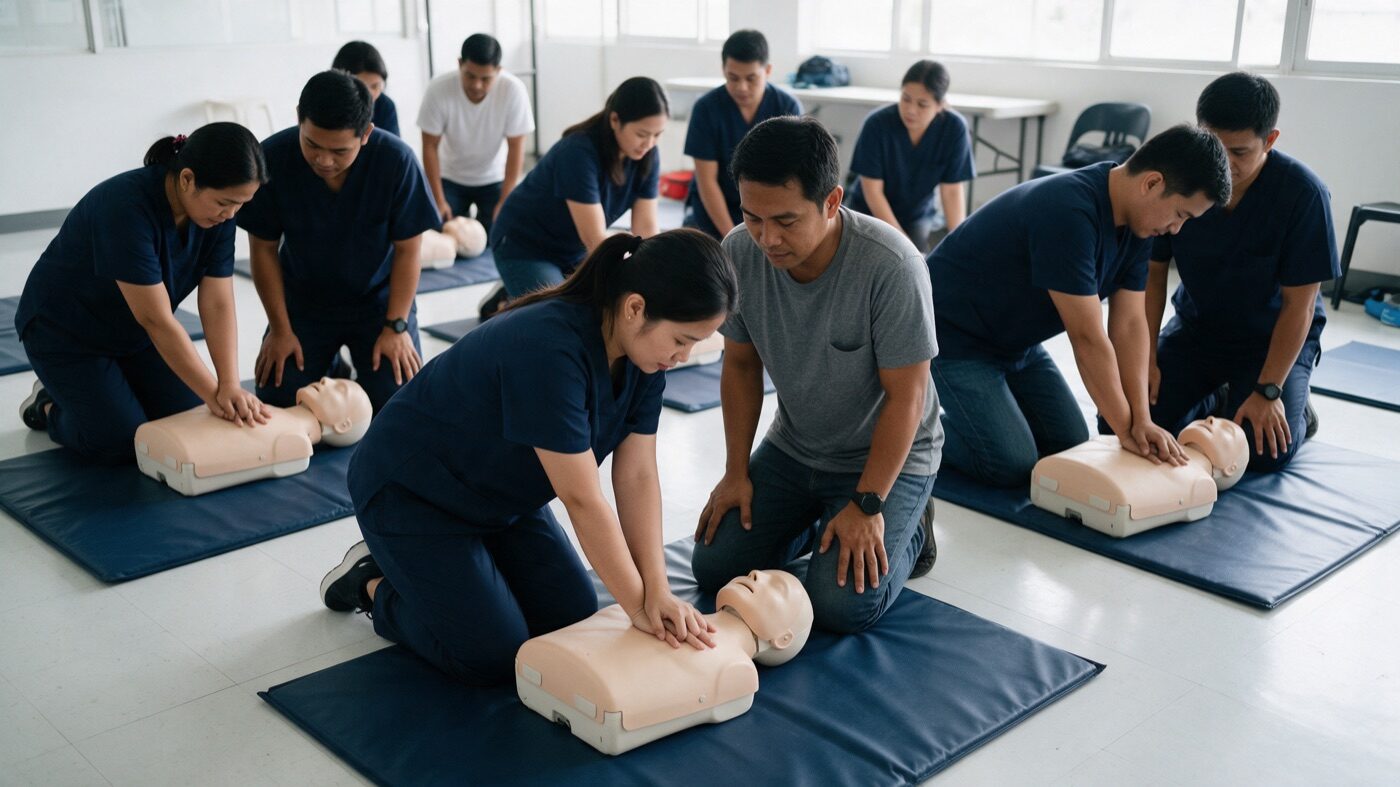
Hands-only CPR means continuous chest compressions without rescue breaths. It is taught to the public because it is simple to remember and to start: call for help, then push hard and fast in the centre of the chest until help or an AED arrives.
Conventional CPR
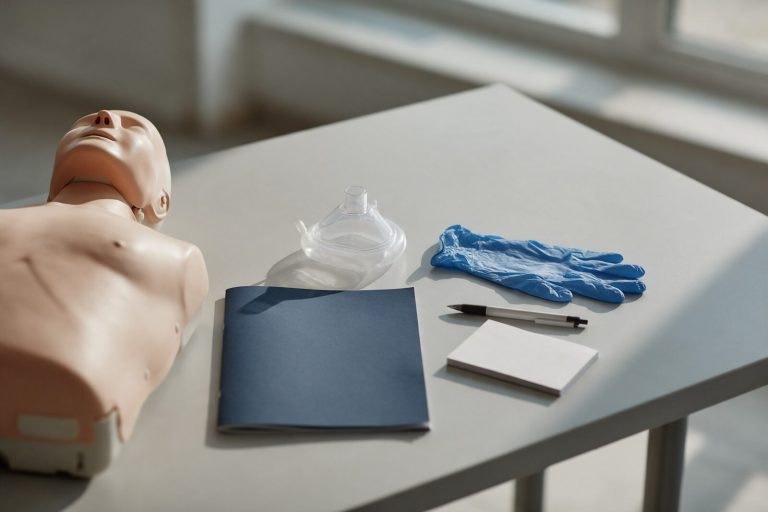
Conventional CPR combines chest compressions with rescue breaths. Healthcare providers and trained responders learn it because breaths matter more in some situations, for example for infants and children, and for people whose collapse is caused by drowning or a breathing problem.
Which one should you learn?
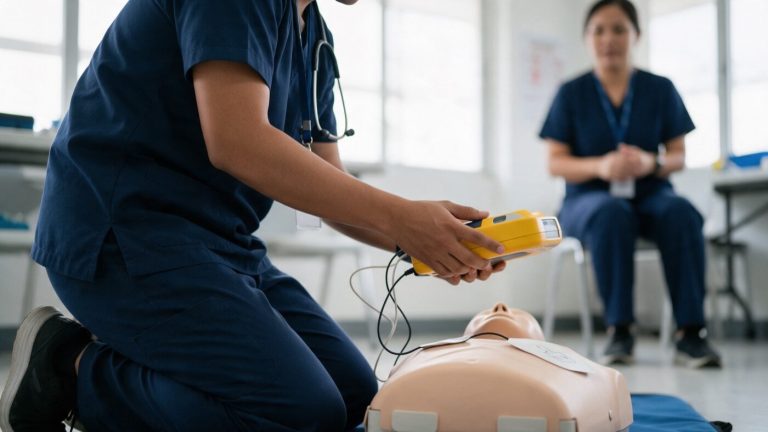
If you work in healthcare, your role usually needs a full BLS course, which covers conventional CPR for adults, children and infants, with and without a team. If you want to be ready at home or at work, a First Aid and CPR class is a good place to start. Our team can help you choose.